A little reminder about LEDs
LED is the acronym for light-emitting diode, which means light-emitting diode. It is an electronic component that emits light when an electric current passes through it. Invented in the 60s, the first LEDs were monochrome (red, yellow or green) and were confined, in the domestic universe, to electronic devices, like lights.
Later, in the 1990s, the development of blue and white diodes led to new applications, such as LCD TVs and LEDs, and home lighting.
The best lighting option
LEDs are currently the most efficient and economical bulbs on the market because they consume little electricity (provided you choose the energy label A + or A ++) and really last longer: up to 50,000 hours announced by manufacturers. In other words, 50 years of longevity considering that the average use of a bulb is estimated at 1,000 hours per year (about 3 hours per day). In addition, the LEDs operate instantly, they are shock-resistant, insensitive to repeated ignitions and emit very little or no heat.
The right color temperature
LED bulbs also create a mood. You can choose, for example, a cold white in the bathroom to enlighten, and warm color in the living room for a more cozy atmosphere. For that, it is enough to locate the chromatic indication on the packaging or the index kelvin (K). Warm (yellow) light is between 2,700 and 3,200 Kelvin and a cold (blue) light above 4,000 Kelvin. It should be noted that Anses1 and Inserm2 point out the risks for the retina of a too high proportion of blue light (in the white) and discourage it indirect lighting and in places frequented by children.
The LED family is expanding
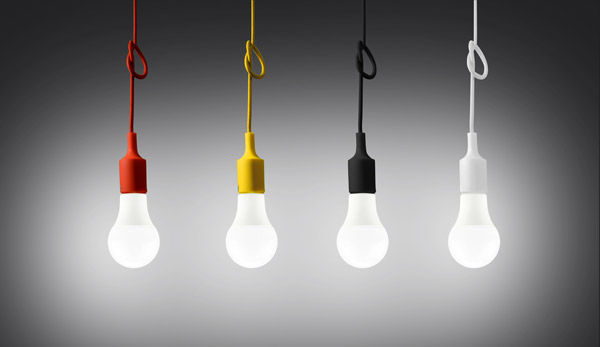
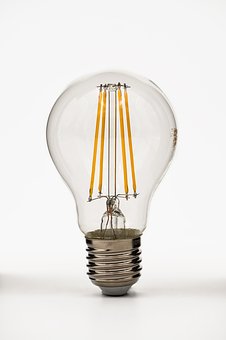
LEDs adapt to all luminaires. Small or big base, screw or bayonet, spherical or pencil to replace halogen, or filament (Retrofit) for nostalgic incandescent lamps ... There are even "smart lamps" programmable remotely on a smartphone. The latest in the family is Oled (organic LED), which produces a more diffuse and wider light and allows the manufacture of flexible luminaires. Whatever your need, remember that LEDs contain electronic components and should be reported after use at the appropriate collection points.
Comments
Post a Comment